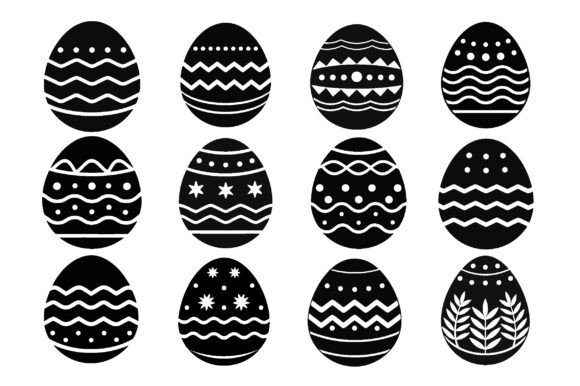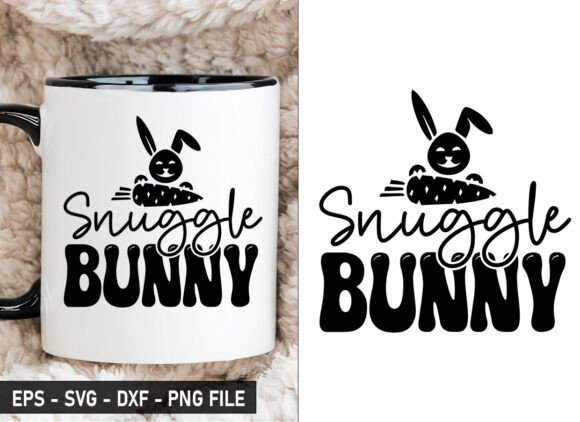
Easter T-Shirt & Mug Design
First Impressions: Festive, Friendly, and Functionally Flexible
When I opened Easter T-Shirt and Mug Design, I didn’t see just another holiday graphic—I saw a quiet invitation to make something warm, intentional, and quietly joyful. It’s not overly cutesy or cartoonish, nor is it stiffly traditional. The layout feels balanced: clean negative space around a central motif—likely bunnies, eggs, or floral Easter symbols—designed with soft curves and gentle proportions. That matters more than you’d think. In embroidery, generous breathing room means fewer stabilizer battles, less thread nesting, and smoother transitions across fabric grain. As a designer who regularly turns digital files into stitched reality, I immediately asked: *Will this hold up on a lightweight baby onesie? Will it read clearly on a textured kitchen towel? Does it have the visual weight to earn its place on a boutique sweatshirt?*
A Real-World Test: Stitching It onto a Linen-Cotton Apron
Last week, I prepped a small-batch run of linen-cotton aprons for a local bakery’s Easter pop-up. I chose Easter T-Shirt and Mug Design for the chest pocket—not because it was the flashiest option, but because its scale and simplicity promised legibility at 3.5 inches wide. After hooping with medium-weight cutaway stabilizer (non-negotiable for linen’s slippage), I ran a test stitch on scrap. The fill stitches laid flat, the satin-stitched outlines stayed crisp, and no tiny interior details vanished into fuzz. Customers responded well—not just to the Easter theme, but to how *considered* it looked. No jagged edges, no over-dense areas that puckered the fabric. That’s the difference between a generic holiday graphic and a thoughtfully adapted machine embroidery design.
Where It Shines—and Where to Pause
Easter T-Shirt and Mug Design works especially well for:
- Custom apparel: T-shirts, relaxed-fit sweatshirts, and lightweight hoodies—its moderate stitch density avoids stiffness.
- Handmade product categories like embroidered patches, tea towels, pillow covers, and baby embroidery (think onesies or burp cloths—just confirm thread safety if stitching for infants).
- Holiday embroidery with commercial intent: Etsy sellers can pair it with printable mockups for listings; craft fair vendors can use it across tote bag designs and aprons without visual fatigue.
- Personalized gift applications—adding names or dates beside or below the motif keeps it cohesive, not cluttered.
Use caution with:
- Small hoop sizes under 4×4 inches—check whether key elements compress or lose definition when scaled down.
- Stretchy fabric like jersey knits: stabilize aggressively and consider reducing stitch density manually if your software allows.
- Dark fabric: preview the design in black-and-white mockups first. Some lighter motifs may need shadow layering or contrast thread choices to stay visible.
- Curved surfaces like caps—test placement carefully. The design’s symmetry helps, but avoid placing fine details directly over seams or crowns.
Design Assets That Build Trust—Not Just Decor
What elevates Easter T-Shirt and Mug Design beyond basic Crafts category graphics is its quiet professionalism. It doesn’t scream “EASTER!”—it whispers “thoughtful celebration.” That tone translates directly to customer perception. When someone buys an embroidered tote bag with this design, they’re not just buying a holiday item—they’re buying consistency, care, and brand alignment. For Etsy sellers and small shop owners, that subtlety builds trust faster than bold fonts or glitter effects ever could. It also travels well across mediums: the same file works as a mug design (when printed) and a digital embroidery file—a rare dual-purpose asset in the Graphics space.
Practical Embroidery Designer Notes You’ll Actually Use
Before stitching your first batch—or listing it as a finished product—do these five things:
- Test on scrap fabric that matches your final project’s weight and texture. Linen behaves differently than cotton poplin; fleece hides detail that terry cloth reveals.
- Review stitch density in your editing software. If fill areas look heavy, reduce density by 5–10%—especially for baby embroidery or thin fabric.
- Check thread color contrast on both light and dark backgrounds. A pale yellow egg may vanish on cream fabric unless outlined or layered.
- Confirm licensing before selling finished items or reselling the digital embroidery file. “Ideal for DIY projects” doesn’t automatically equal commercial use rights.
- Inspect small details like whiskers, stems, or script lettering. If they’re under 0.5 mm wide in the vector, they’ll likely disappear in stitch—adjust or simplify before hooping.
Fitting Into Your Craft Business—Without Overcomplicating It
I’ve seen too many craft businesses stall because they chase complexity instead of clarity. Easter T-Shirt and Mug Design doesn’t ask you to reinvent your workflow—it asks you to execute well. It slots cleanly into existing product lines: add it to your custom apparel menu alongside monogrammed tees, bundle it with coordinating patch kits for craft kits, or feature it in a seasonal “handmade Easter” collection for your small shop product lineup. Its versatility isn’t about doing everything—it’s about doing one thing well across multiple touchpoints. That’s how you build repeat customers, not just seasonal traffic.
Final Thought: Joy That Stitches Well
This isn’t just another Easter-themed embroidery file. It’s a quiet piece of design judgment—balanced, adaptable, and respectful of both machine limits and human hands. Whether you’re stitching a single personalized gift or scaling for a boutique’s Easter launch, Easter T-Shirt and Mug Design gives you room to focus on craftsmanship, not crisis management. And in the world of handmade product creation, that kind of reliability isn’t just convenient—it’s essential.