Yellow Awareness Ribbon Mug Designs
A Designer’s First Glance: Simplicity with Quiet Impact
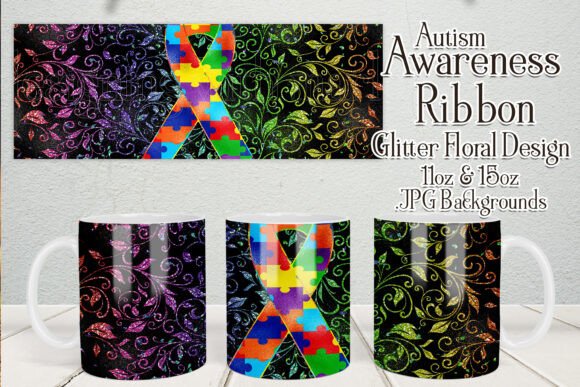
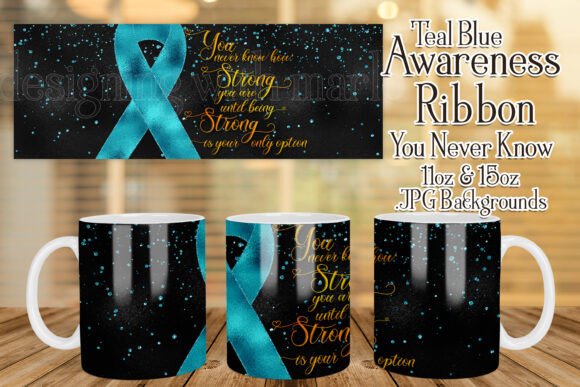
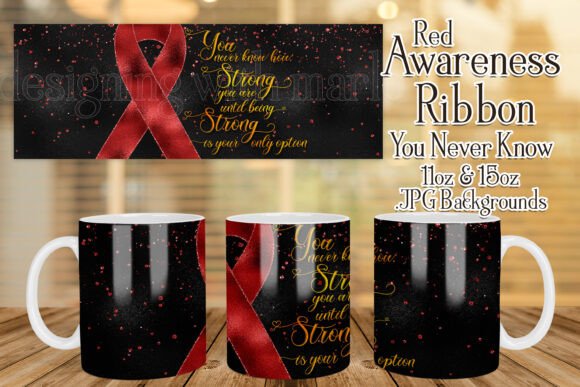
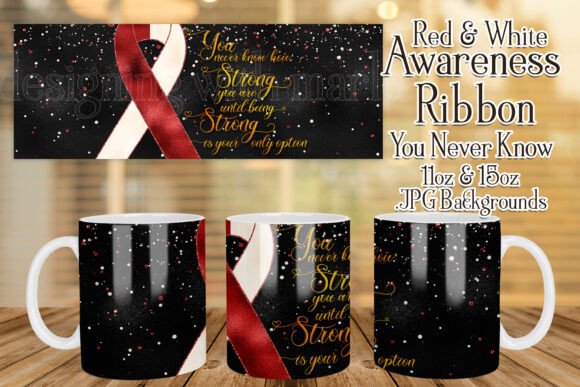
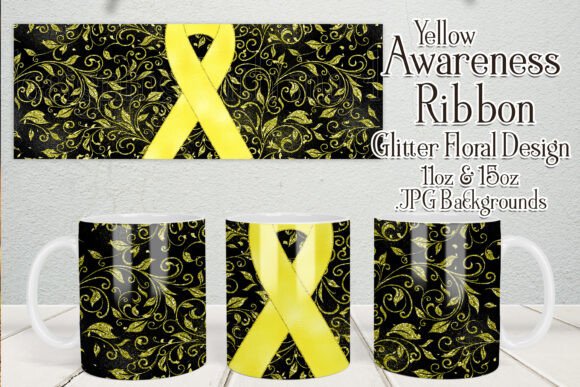
When I opened Yellow Awareness Ribbon Mug Designs, what struck me wasn’t flashiness—it was clarity. The ribbon shape is clean, slightly tapered, and balanced—not too wide, not too narrow—with a gentle curve that reads as both intentional and approachable. It doesn’t scream; it invites. That matters deeply when you’re choosing a machine embroidery design for real-world use—especially for causes where sincerity outweighs spectacle. As an embroidery designer who’s stitched hundreds of awareness motifs, I immediately saw this as a versatile anchor: subtle enough for baby onesies, bold enough for tote bag fronts, and dignified enough for boutique tea towels or nurse appreciation gifts.
Where It Lives Best: Real Projects, Not Just Mockups
Last week, I used Yellow Awareness Ribbon Mug Designs as the centerpiece for a custom embroidered apron series—intended for a local cancer support group’s volunteer kitchen. We paired it with soft sage cotton twill, medium-weight tear-away stabilizer, and matte yellow thread (not neon, not gold—just warm, grounded yellow). The result? A handmade product that felt personal, respectful, and quietly confident. No glitter overload, no visual noise. Customers didn’t just see a ribbon—they recognized intention.
It works beautifully on sweatshirt embroidery when scaled to 3.5" wide: the satin stitch edges hold crispness without puckering, and the fill stitch density feels even—not sparse, not overwhelming. On baby embroidery? Yes—but only if you simplify the file first. The original includes fine interior lines meant for sublimation texture (foil/glitter), not needlework. Those don’t translate cleanly to thread. I recommend deleting or simplifying those layers before stitching on onesies or bibs.
Where to Pause—and Why
Yellow Awareness Ribbon Mug Designs isn’t built for every surface. On curved caps? Tricky. The ribbon’s gentle arc fights against the dome, especially near the crown. You’ll need precise placement, a cap hoop, and possibly slight digitizing tweaks—don’t assume “it fits.” On dark fabric? Test contrast early. Yellow thread on navy or charcoal can mute the message unless you add a white underlay or switch to a brighter, more saturated yellow thread. And on stretchy fabric like knits or lightweight jersey? Stabilizer isn’t optional—it’s essential. Use cut-away + topping for clean edges.
Also: avoid cramming it into tiny hoops. Below 3", detail blurs. The inner contour loses definition, and satin stitch edges start to wobble. For embroidered patches or small cap front placements, choose a simplified version—or pair it with a single-word sentiment (“Hope,” “Strength”) instead of forcing scale.
What It Adds to Your Finished Product
- Visual appeal: Clean shape + warm color = instant warmth. No competing elements distract from the cause.
- Stitching clarity: Moderate stitch density means reliable performance across mid-range home machines—no excessive jump stitches or nested fills.
- Product value: Feels intentional, not clip-art. Elevates a plain tote bag or pillow cover into a meaningful personalized gift.
- Customer trust: When buyers see thoughtful execution—not overdone embellishment—they associate your craft business with care, not convenience.
- Brand consistency: Works across seasonal collections: spring wellness kits, holiday caregiver bundles, back-to-school nurse appreciation sets.
Practical Notes Every Embroidery Designer Should Keep Handy
Before stitching Yellow Awareness Ribbon Mug Designs into your next project, do these five things:
- Test on scrap fabric first—especially if using textured weaves (like linen-look tea towels) or blended fabrics (cotton/poly).
- Check thread color contrast in natural light—not just screen light. What looks vibrant on your monitor may read muted on oatmeal canvas.
- Review stitch density in your embroidery software. If fill areas feel heavy, reduce density by 5–8% for breathable fabrics like baby cotton.
- Confirm hoop size matches your intended placement. Don’t force a 4.25" design into a 4" hoop and expect clean corners.
- Inspect small details at 200% zoom: are any interior lines too thin for your needle? Are satin stitch transitions smooth—or jagged?
Also: test it in black-and-white mockups. Does the shape still read clearly without color? That’s your cue for versatility. And always compare how it lands on light vs. dark fabric backgrounds—you’ll be surprised how much placement and underlay affect legibility.
For Sellers and Creative Entrepreneurs
If you’re an Etsy seller or small shop owner offering custom embroidered goods, Yellow Awareness Ribbon Mug Designs is a quiet workhorse—not a headline grabber, but a trusted repeat performer. It pairs well with minimalist branding, supports cause-based storytelling, and avoids trend fatigue. Just remember: because it originates as a digital mug design (Graphics category), its native format prioritizes sublimation texture—not embroidery optimization. That means you’ll likely need to adjust it for threadwork: simplify gradients, reinforce satin edges, and verify licensing before selling finished products or bundling it into digital embroidery files.
Use it thoughtfully—not as filler, but as focus. Stitch it on a linen pillow cover for a nursery decor line. Pair it with hand-stitched initials on a cotton apron for a wedding gift. Feature it on a limited-run tote for a community fundraiser. In each case, Yellow Awareness Ribbon Mug Designs earns its place—not by shouting, but by standing steady.