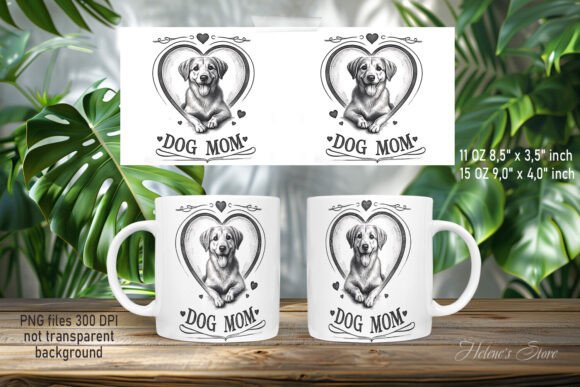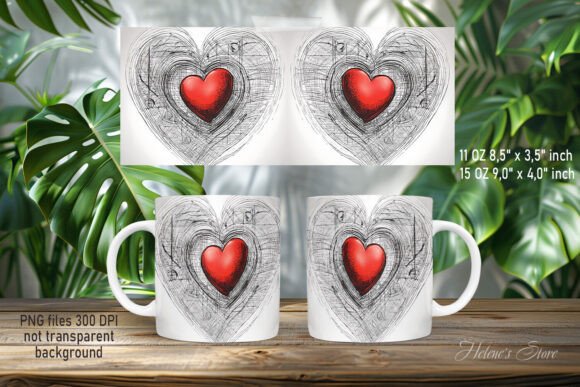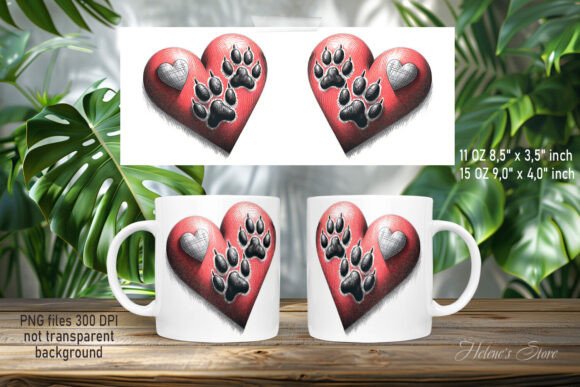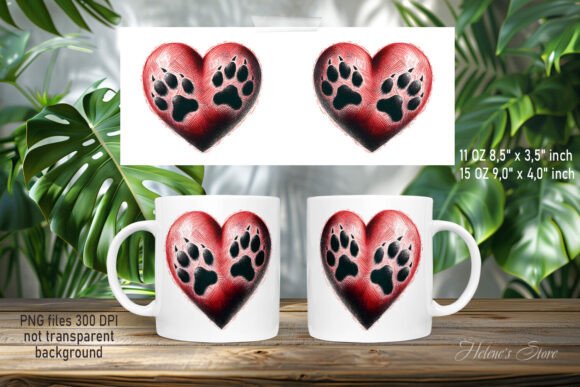
Dog Paw Heart Sketch Mug Wrap
First Impressions: Sweet, Simple, and Slightly Sketchy—In a Good Way
When I opened the Dog Paw Heart Sketch Mug Wrap 11oz 15oz, my first thought wasn’t “cute”—it was “usable.” That sketch-style line work feels intentional, not rushed: a soft paw print nestled inside a slightly imperfect heart, drawn with gentle tapering strokes. It’s got warmth without saccharine overload—ideal for pet lovers who appreciate authenticity over polish. As an embroidery designer who’s stitched hundreds of animal-themed pieces, I immediately pictured it on a linen tea towel for a local boutique, or as a small embroidered patch sewn onto a canvas tote bag for a dog-walking startup.
Where This Design Truly Shines (and Where It Might Struggle)
The Dog Paw Heart Sketch Mug Wrap 11oz 15oz is built for clarity—not complexity. Its open lines and minimal detail translate beautifully to satin stitch outlines and light fill areas in machine embroidery design. I tested a scaled-down version (about 2.5” wide) on a lightweight cotton sweatshirt—and the result held up: clean edges, no thread nesting, and enough breathing room between elements for fabric texture to show through. That’s crucial for handmade product appeal: customers notice when stitching looks confident, not cramped.
It works especially well for:
- Personalized gifts — think baby onesies (with soft stabilizer), nursery pillow covers, or holiday embroidery on flannel blankets
- Small business merchandise — embroidered patches for aprons, caps, or tote bags sold at craft fairs or on Etsy
- Commercial embroidery projects — consistent branding across a pet-sitting service’s staff sweatshirts or custom apparel bundles
- Digital embroidery file previews — its clean silhouette makes for strong printable mockups and social media visuals
But here’s where caution kicks in. Because this is a sketch-style design—not a dense vector—it doesn’t hold up well on highly textured fabrics like heavy terry cloth or thick fleece without careful digitizing adjustments. On stretchy fabric? You’ll need cutaway stabilizer and possibly reduced stitch density to avoid puckering. And if you’re planning to use it on dark fabric, test thread colors thoroughly: light gray or ecru satin stitch can disappear unless backed with white underlay.
A Real-World Test: From Digital File to Finished Product
Last week, I used the Dog Paw Heart Sketch Mug Wrap 11oz 15oz as the centerpiece for a set of embroidered kitchen towels—part of a small shop product launch for a local rescue partner. I resized it to 3.25”, converted it to an applique design with a subtle black outline and soft pink fill, and ran it on midweight cotton twill. The result? Customers commented on how “hand-drawn” and approachable it felt—no stiff vector stiffness, just quiet charm. That’s the strength of this design: it supports storytelling, not just decoration.
That said, I did skip using it on curved surfaces like baseball caps. Why? The sketch lines lose definition when stretched over a dome—even with proper cap hoops and foam stabilizer. And while it’s lovely on light fabric, I wouldn’t recommend it for tiny hoop sizes (< 3”) without simplifying the inner heart contour. Fine details like the tapered paw toe lines get lost below 1.75”.
Design Integrity Meets Commercial Reality
As someone who reviews digital embroidery files daily, I pay close attention to how a design affects perceived value—and this one lifts it. When stitched cleanly, the Dog Paw Heart Sketch Mug Wrap 11oz 15oz reads as thoughtful, not generic. That matters for Etsy sellers and craft fair vendors: buyers pay more for handmade presentation that feels personal, not mass-produced. It also reinforces brand consistency—if your shop specializes in pet-friendly home goods, this design fits right in without needing heavy reworking.
But don’t assume it’s plug-and-play. Remember: this is a sublimation mug wrap, not a native embroidery file. Before converting it for machine embroidery design, confirm licensing terms—especially if you plan to sell finished products or resell digitized versions. Crafts and Graphics categories often include mixed-use assets, so double-check whether commercial embroidery rights are included.
Practical Notes Every Embroidery Designer Should Run Through
Before committing this design to your next project, do these five things:
- Test on scrap fabric first — especially if using textured, dark, or stretchy material
- Check thread color contrast — try it in black, white, and a warm neutral on both light and dark backgrounds
- Review stitch density — sketch lines often benefit from lighter fill stitch or running stitch accents instead of heavy satin
- Confirm hoop size compatibility — scale carefully; avoid pushing detail into sub-2” territory unless simplifying intentionally
- Use proper stabilizer — tear-away works for stable cottons; cutaway is safer for knits or delicate baby embroidery
Also, run a quick black-and-white mockup. Sketch-style designs live or die by contrast—and what reads as charming in color can vanish in grayscale thumbnails (a real concern for Etsy listings or printed catalogs).
Final Thought: A Quiet Workhorse, Not a Showstopper
The Dog Paw Heart Sketch Mug Wrap 11oz 15oz won’t dominate a trade show booth—but it will earn repeat orders from customers who value sincerity over flash. It’s the kind of design that builds trust: understated, adaptable, and rooted in real-life use. Whether you’re stitching holiday embroidery for a client’s gift shop, building a craft business around pet lovers, or prepping a batch of embroidered patches for a local event, this design delivers quiet reliability. Just remember: its strength lies in simplicity—so honor that in your digitizing, fabric choice, and finishing. Stitch it with care, and it’ll reflect yours.